Gdz Tetrad Rabochaia Vseobshchaia Istoriia Danilov 6 Klass Tablitsy -

The workbook's tables and tasks generally align with several core historical units:

Allowing students to check if their understanding of historical causality matches the curriculum standards. The workbook's tables and tasks generally align with

Mapping the rise and fall of major empires, like the Frankish Empire under Charlemagne or the Byzantine Empire. The spread of Islam, the role of the

Contrasting the life of different social classes, such as the feudal lords and the peasantry. It serves as more than just a collection

The spread of Islam, the role of the Catholic Church in Europe, and the development of medieval universities.

The 6th-grade world history workbook ("Rabochaya Tetrad") by A.A. Danilov is a central component of the Russian educational curriculum, specifically designed to help students master the complexities of the Middle Ages. It serves as more than just a collection of exercises; it is a structured system for organizing historical knowledge through visual tools, primarily analytical tables. The Role of Tables in History Education

Ultimately, Danilov’s 6th-grade history workbook is an exercise in logic. By requiring students to complete tables on subjects ranging from the Black Death to the Hundred Years' War, it teaches them to see history not as a list of dates, but as a series of interconnected systems.
Commentary volume

Commentary volume

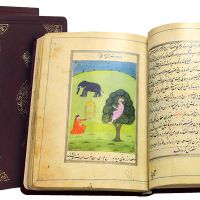
Lazzat al-nisâ (The pleasure of women)

Bibliothèque nationale de France


CONTENTS
 
  • From the Editor to the Reader
 
  • Lazzat al-nisâ and Its Significance in the Erotic Literature of the Persianate World.
Hormoz Ebrahimnejad (University of Southampton)
 
  • Lazzat al-nisâ. Translation.
Willem Floor (Independent Scholar), Hasan Javadi (University of California, Berkeley) and Hormoz Ebrahimnejad (University of Southampton)


ISBN : 978-84-16509-20-1

Commentary volume available in English, French or Spanish.

Lazzat al-nisâ (The pleasure of women) Bibliothèque nationale de France


Descripcion

Description

Lazzat al-nisâ (The pleasure of women)

Bibliothèque nationale de France


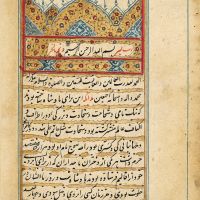
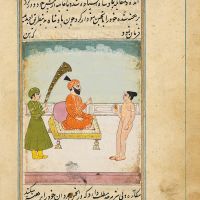
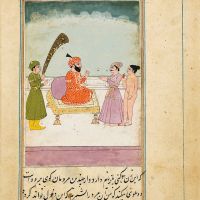
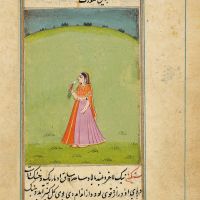
In Muslim India numerous treatises were written on sexology. Many of them included prescriptions concerning problems dealing with virility or, more precisely, with masculine sexual arousal. The Sanskrit text which is considered the primary source for all Persian translations is known as the Koka Shastra (or Ratirahasya) —derived from its author’s name, Pandit Kokkoka—, a title that was later given to all treatises in the genre. The Koka Shastra by Kokkoka was probably not the only such text known to Muslim authors.

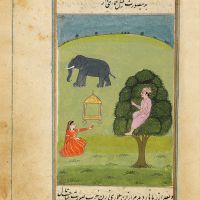
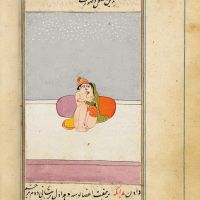
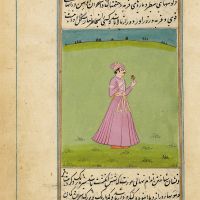
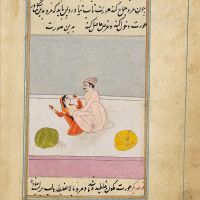
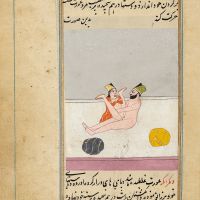
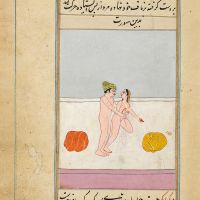
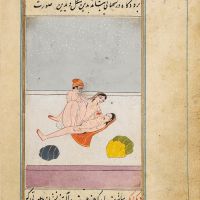
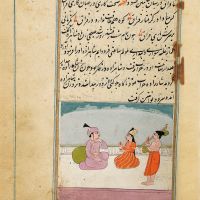
The Lazzat al-nisâ is a Persian translation of the Koka Shastra, which contains descriptions of the four different types of women and indicates the days and hours of the day in which each type is more prone to love. The author quotes all the different works he has consulted, which have not survived to this day.


The workbook's tables and tasks generally align with several core historical units:

Allowing students to check if their understanding of historical causality matches the curriculum standards.

Mapping the rise and fall of major empires, like the Frankish Empire under Charlemagne or the Byzantine Empire.

Contrasting the life of different social classes, such as the feudal lords and the peasantry.

The spread of Islam, the role of the Catholic Church in Europe, and the development of medieval universities.

The 6th-grade world history workbook ("Rabochaya Tetrad") by A.A. Danilov is a central component of the Russian educational curriculum, specifically designed to help students master the complexities of the Middle Ages. It serves as more than just a collection of exercises; it is a structured system for organizing historical knowledge through visual tools, primarily analytical tables. The Role of Tables in History Education

Ultimately, Danilov’s 6th-grade history workbook is an exercise in logic. By requiring students to complete tables on subjects ranging from the Black Death to the Hundred Years' War, it teaches them to see history not as a list of dates, but as a series of interconnected systems.
Cookie preferences

We use our own and third-party cookies to improve our services by analyzing your browsing habits. For more information, you can read our cookie policy. You can accept all cookies, configure them, or reject their use by clicking one of the buttons below.