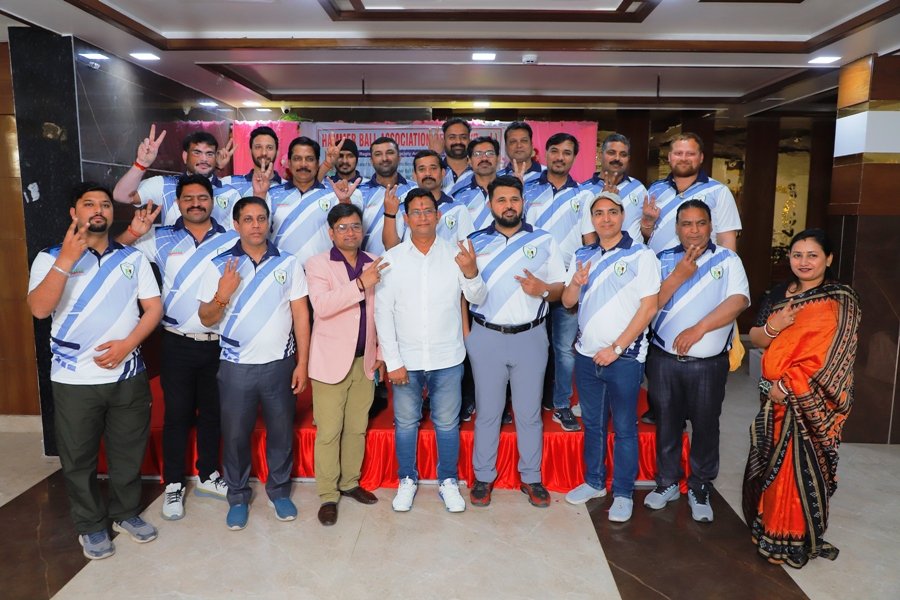
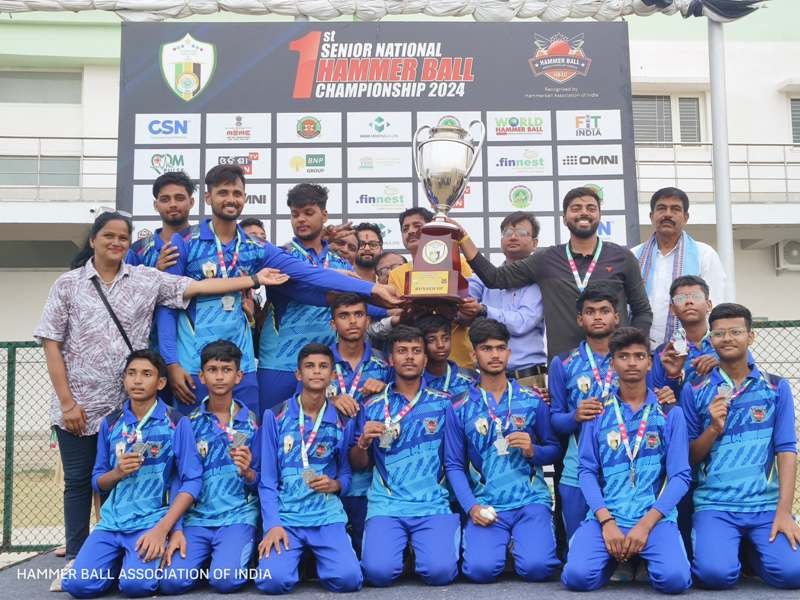
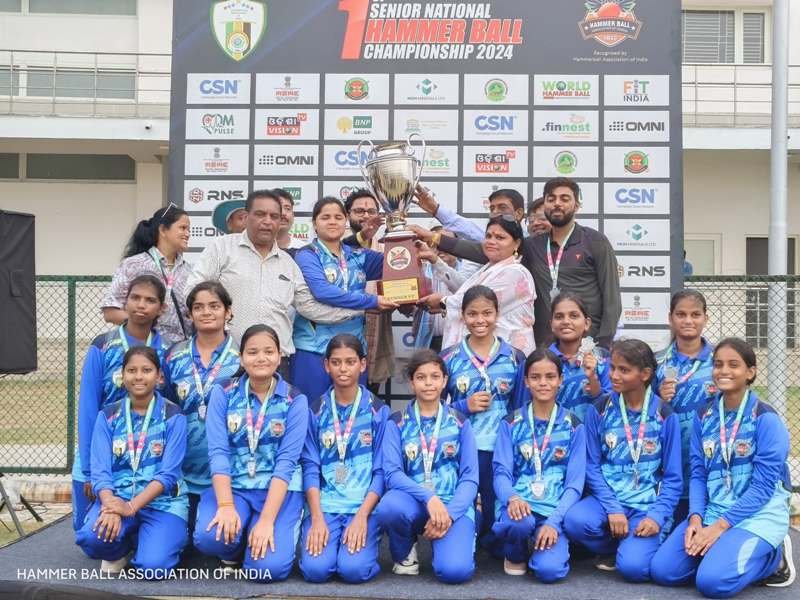

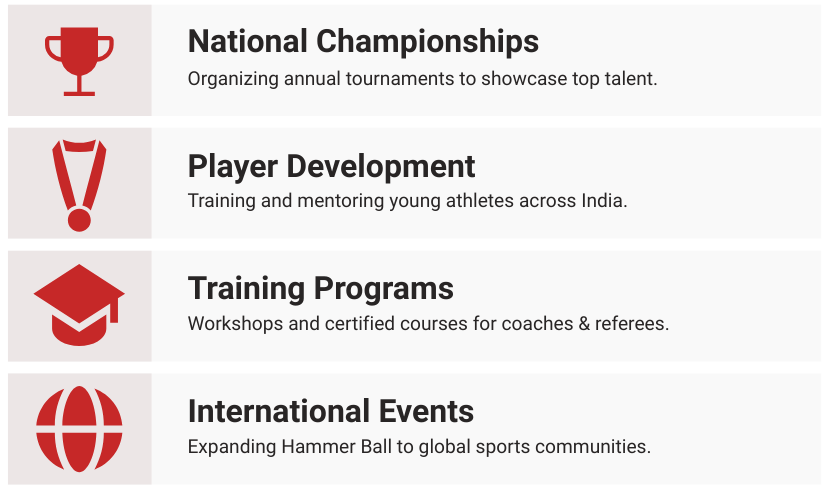
The World Hammer Ball (WHB) is the global governing body for Hammer Ball, and the Hammer Ball Association of India (HBAI) operates under WHB as its national affiliate. We are committed to developing and nurturing Hammer Ball as a recognized sport nationwide. We aim to build a strong sporting culture by organizing district, state, national, and international tournaments, providing training programs, and ensuring fair opportunities for all players.
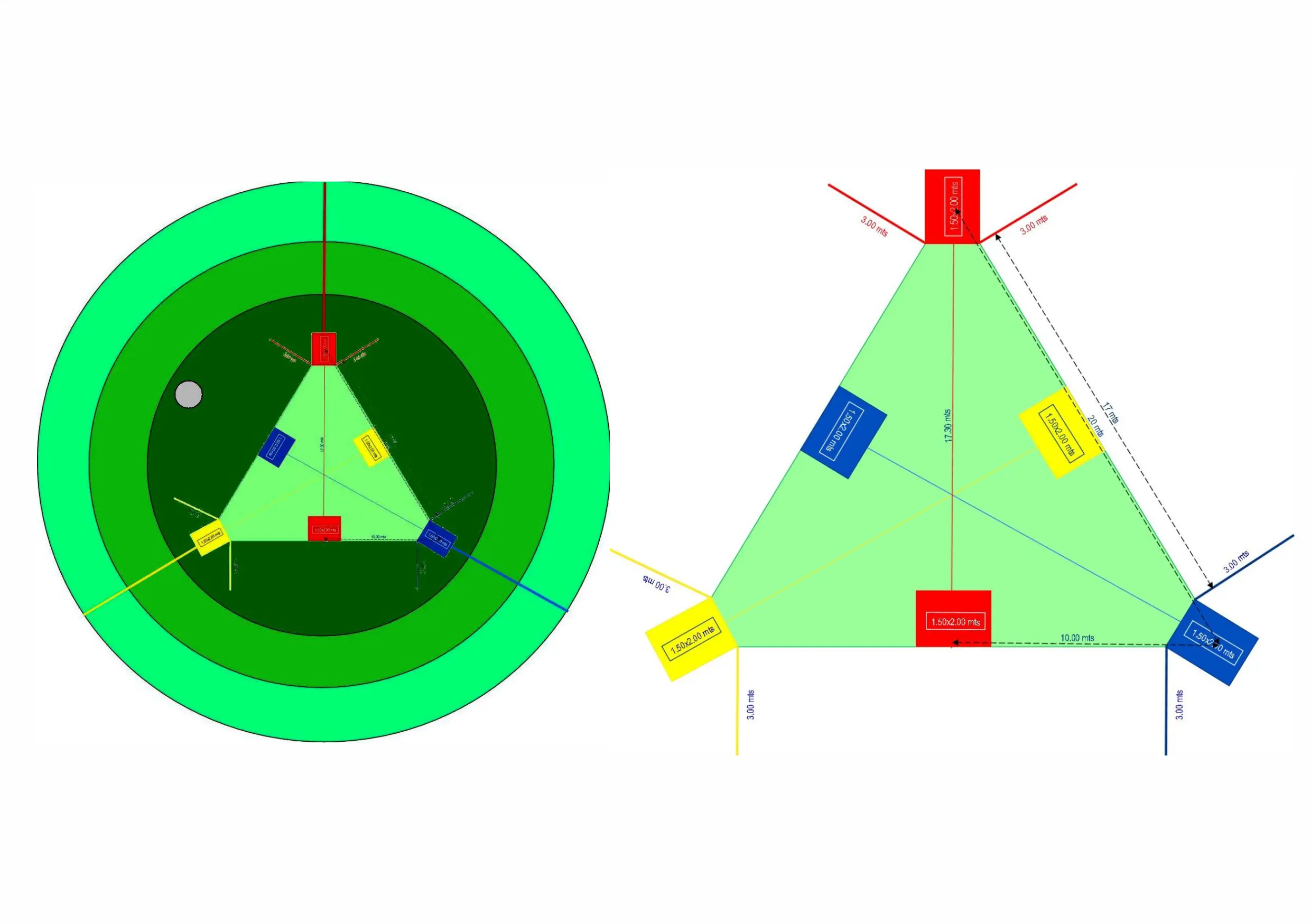
A triangular zone where throwers deliver precise, strategic balls to hitters for scoring powerful runs.
Special corner boxes inside the pitch where skilled hitters position to strike and control the ball effectively.
Marked running paths between hitter zones where players quickly sprint to complete scoring runs after striking.
Fielders positioned smartly in home, inner, and outer fields to stop runs and create dismissals efficiently.
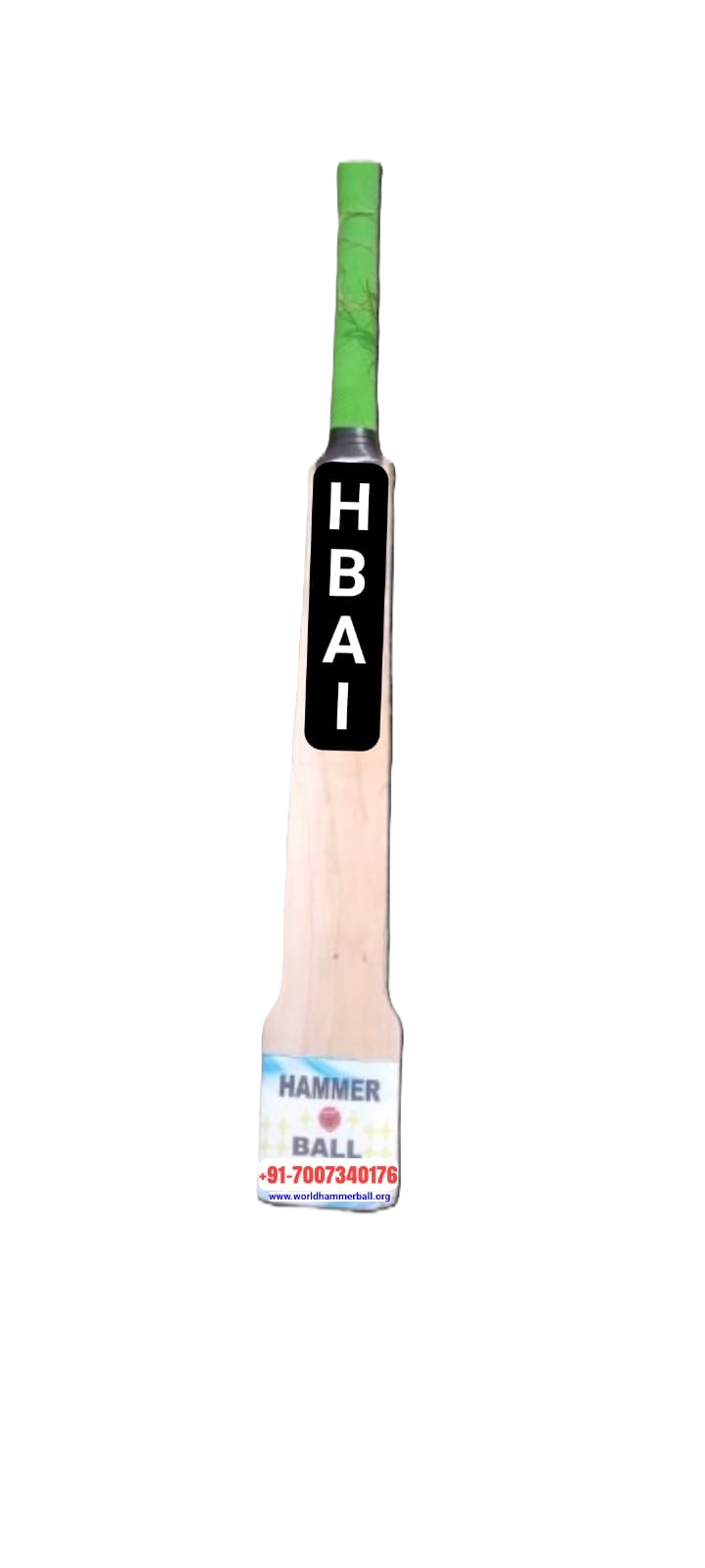
A specially crafted wooden bat designed to strike power shots with control, speed, and long-distance precision.
A double-layered, injury-safe ball (80–120g) built for grip, bounce, durability, and smooth controlled throwing action.
A standard-sized field with well-marked zones, visible boundaries, and structured sections to ensure fair gameplay.
A specialized area near home field where keepers protect, defend goals, and coordinate the team’s defensive strategy.
An ironically common tragedy in the modern job market is the highly qualified candidate whose resume is rejected not because of their lack of experience, but because the ATS could not read their file. Complex Word documents with text boxes, custom tables, or non-standard fonts often scramble the parsing algorithms of an ATS, leading to a blank profile in the recruiter's database.
One of the most significant psychological barriers to writing a resume is simply getting started. Builders circumvent this by guiding users through a step-by-step wizard. By prompting users to fill in discrete fields for education, work history, and skills, the monumental task of summarizing a career is broken down into manageable micro-tasks.
The resume itself is not a modern invention; its roots are often traced back to Leonardo da Vinci in 1482, who wrote a letter to the Duke of Milan detailing his capabilities in bridge building, sculpting, and engineering. For centuries, these personal summaries were highly tailored, handwritten, or typed letters. By the mid-20th century, the resume became a standardized expectation for white-collar employment, shifting toward rigid, printed physical documents.
As personal computers became ubiquitous in the late 20th century, word processors like Microsoft Word became the standard for resume creation. While these tools offered more flexibility than typewriters, they introduced a steep learning curve in digital formatting. Job seekers frequently battled with erratic bullet points, shifting line breaks, and complex table layouts.
The primary value proposition of a resume builder is efficiency and accessibility. Creating a professional resume requires a unique blend of graphic design sensibility and persuasive writing skills—a combination that many highly skilled professionals do not inherently possess. Resume builders solve this by bifurcating the process: the software handles the aesthetic design, while the user provides the raw experiential data.
An ironically common tragedy in the modern job market is the highly qualified candidate whose resume is rejected not because of their lack of experience, but because the ATS could not read their file. Complex Word documents with text boxes, custom tables, or non-standard fonts often scramble the parsing algorithms of an ATS, leading to a blank profile in the recruiter's database.
One of the most significant psychological barriers to writing a resume is simply getting started. Builders circumvent this by guiding users through a step-by-step wizard. By prompting users to fill in discrete fields for education, work history, and skills, the monumental task of summarizing a career is broken down into manageable micro-tasks.
The resume itself is not a modern invention; its roots are often traced back to Leonardo da Vinci in 1482, who wrote a letter to the Duke of Milan detailing his capabilities in bridge building, sculpting, and engineering. For centuries, these personal summaries were highly tailored, handwritten, or typed letters. By the mid-20th century, the resume became a standardized expectation for white-collar employment, shifting toward rigid, printed physical documents.
As personal computers became ubiquitous in the late 20th century, word processors like Microsoft Word became the standard for resume creation. While these tools offered more flexibility than typewriters, they introduced a steep learning curve in digital formatting. Job seekers frequently battled with erratic bullet points, shifting line breaks, and complex table layouts.
The primary value proposition of a resume builder is efficiency and accessibility. Creating a professional resume requires a unique blend of graphic design sensibility and persuasive writing skills—a combination that many highly skilled professionals do not inherently possess. Resume builders solve this by bifurcating the process: the software handles the aesthetic design, while the user provides the raw experiential data.


Delhi |
National Championships
VSMarch 15, 2024
|

Mumbai |

Bangalore |
State Championships
VSApril 20, 2024
|

Chennai |
Delhi |
State Finals
3 : 1Feb 28, 2024
|
Mumbai |
Bangalore |
District Finals
2 : 0Feb 20, 2024
|
Chennai |
HAMMER BALL ASSOCIATION OF INDIA IS GOING TO BE ADD A NEW CHAPTER IN November 2025. THAT IS 2ND JUNIOR NATIONAL (U-19) CHAMPIONSHIP 2025 TO BE HELD SO...
| Pos | State | P | W | L | PTS |
|---|---|---|---|---|---|
| 1 | Puducherry | 0 | 0 | 0 | 0 |
| 2 |  Jharkhand Jharkhand | 0 | 0 | 0 | 0 |
| 3 |  West Bengal West Bengal | 0 | 0 | 0 | 0 |
| 4 |  Uttar Pradesh Uttar Pradesh | 0 | 0 | 0 | 0 |
| 5 |  Tripura Tripura | 0 | 0 | 0 | 0 |
| 6 |  Tamil Nadu Tamil Nadu | 0 | 0 | 0 | 0 |
| 7 |  Rajasthan Rajasthan | 0 | 0 | 0 | 0 |
| 8 |  Punjab Punjab | 0 | 0 | 0 | 0 |