The film’s non-linear structure is its most defining feature. By weaving together three distinct time periods—the 1920s, the 1930s, and 1968—Leone mirrors the subjective and often unreliable nature of memory. When the elderly Noodles returns to New York after decades in hiding, he is not just revisiting a city; he is haunting his own life. The recurring motif of the ringing telephone and the haunting pan flute score by Ennio Morricone act as anchors, pulling the audience through different eras. This structure suggests that the past is never truly gone; it is a weight that the characters carry until their final days.
Ultimately, Once Upon a Time in America ends on an ambiguous note with the famous "Opium Smile." This final image invites the audience to question the reality of the 1968 sequence, suggesting it might be a drug-induced fantasy—a way for Noodles to find peace in a life defined by loss. Whether a dream or a reality, the film stands as a monumental achievement in cinema. It is a slow-burn epic that demands patience, rewarding the viewer with a profound look at how time eventually erodes everything—power, friendship, and even the stories we tell ourselves to survive. subtitle Once.Upon.a.Time.in.America.1984.720p....
Sergio Leone’s 1984 masterpiece, Once Upon a Time in America , is an expansive meditation on the passage of time, the fragility of memory, and the rot at the heart of the American Dream. Spanning over four decades, the film follows David "Noodles" Aaronson and his cohorts from their childhood in the Jewish ghettos of New York to their rise as powerful Prohibition-era gangsters, and finally to a somber, reflective coda in the 1960s. Rather than a standard crime biopic, Leone constructs a tragic poem about regret, loyalty, and the ghosts of one's past. The film’s non-linear structure is its most defining
The visual language of the film is operatic and immersive. Leone utilizes deep focus and sweeping long takes to capture both the intimacy of a shared secret and the grand scale of a changing Manhattan. The recurring image of the Manhattan Bridge serves as a silent witness to the characters' evolution. However, the film does not shy away from the brutality of its subjects. The violence is often sudden and ugly, and the treatment of women—particularly the horrific actions committed by Noodles—presents a difficult, unvarnished look at the toxic masculinity and entitlement inherent in this criminal subculture. The recurring motif of the ringing telephone and
At its core, the film explores the corrupted friendship between Noodles and Max. While Noodles is driven by a sense of street-level honor and a tragic, obsessive love for Deborah, Max represents the ruthless ambition required to succeed in America. Their bond is the engine of the story, but it is ultimately destroyed by betrayal. Max’s desire to ascend from a street thug to a political figurehead highlights the blurred lines between organized crime and "legitimate" power. However, this success comes at the cost of his identity and his soul, leading to a climax that feels more like a funeral than a confrontation.
Lectra offers a comprehensive suite of design and manufacturing solutions tailored for the fashion, furniture, and automotive industries, providing state-of-the-art software and equipment that streamline the entire product lifecycle from concept to cutting room, with an emphasis on efficiency, precision, and integration with existing design tools.
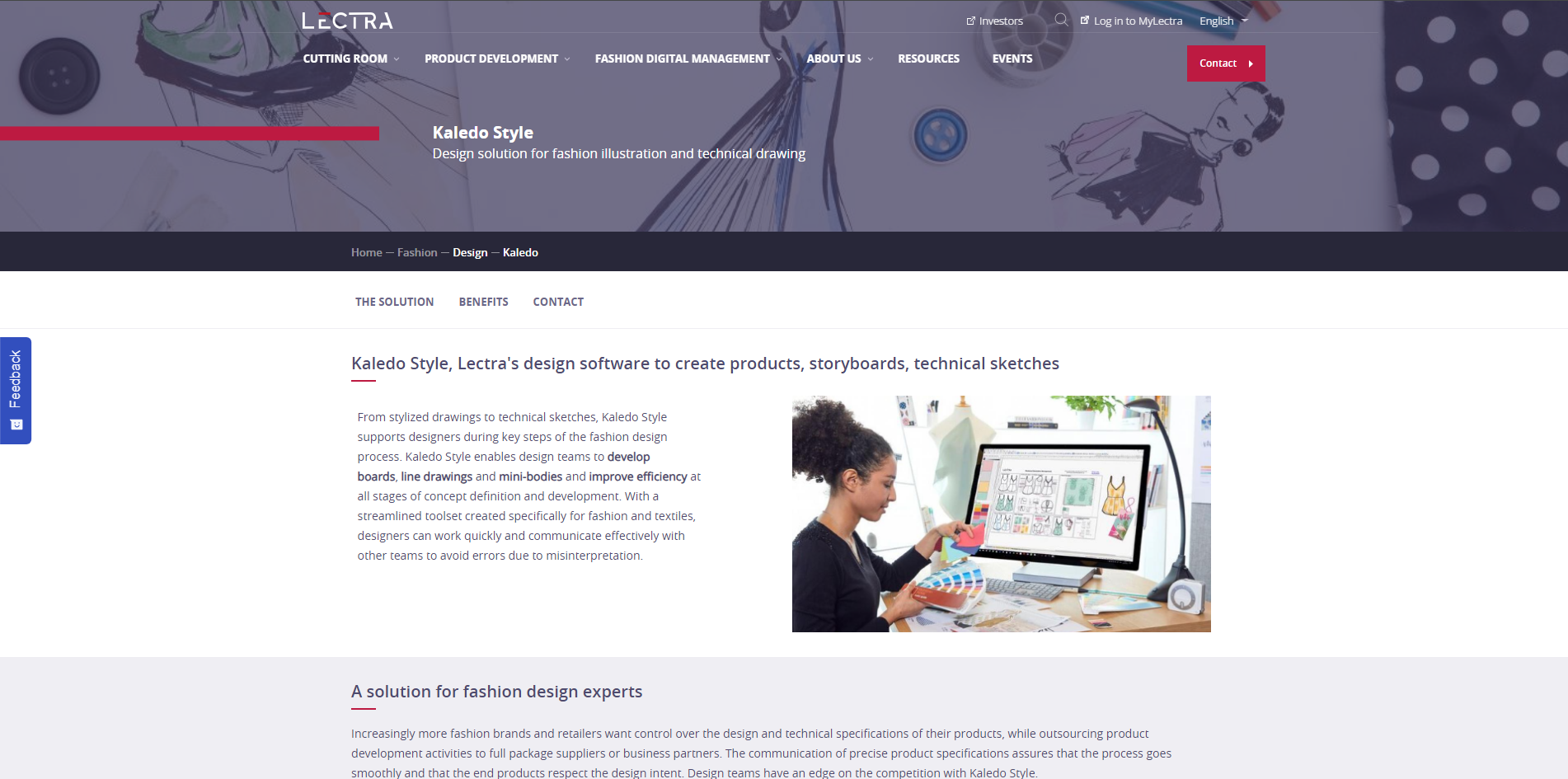
A design software that supports fashion designers in creating products, storyboards, and technical sketches with a streamlined toolset specific to fashion and textiles, allowing for efficient concept development and clear communication of design intent.
Product development software that assists in the creation of precise product specifications quickly and easily, helping fashion brands maintain control over design and technical specifications while collaborating with full package suppliers or business partners.
An integrated approach to fashion production that covers everything from product development to cutting room automation, offering fashion brands an efficient workflow and customizable manufacturing process.
Advanced cutting equipment and solutions designed to support the furniture, fashion, and automotive industries by providing high-ply and low-ply fabric cutting options for a range of production needs, ensuring maximum uptime, speed, and quality.
Brings 50 years of industry experience, offering innovative and unique solutions like Kaledo Style for fashion illustration
Invests significantly in R&D, showcasing a strong commitment to continuous improvement and development
Provides a comprehensive range of equipment and digital management tools for the fashion industry
The breadth of Lectra's offerings may be overwhelming for small businesses or those seeking specific niche solutions
Upon signing up with Lectra, expect to be introduced to their range of design software solutions like Kaledo Style, specifically created for fashion illustration and technical drawing. Lectra's onboarding process will likely guide you through the efficient use of their design tools and offer support to ensure clarity in product specifications. To get started with Lectra, visit their website, explore the 'Fashion' section, and contact them to learn more about their solutions. If Lectra isn't the right choice, you can always check out the rest of our rankings.